
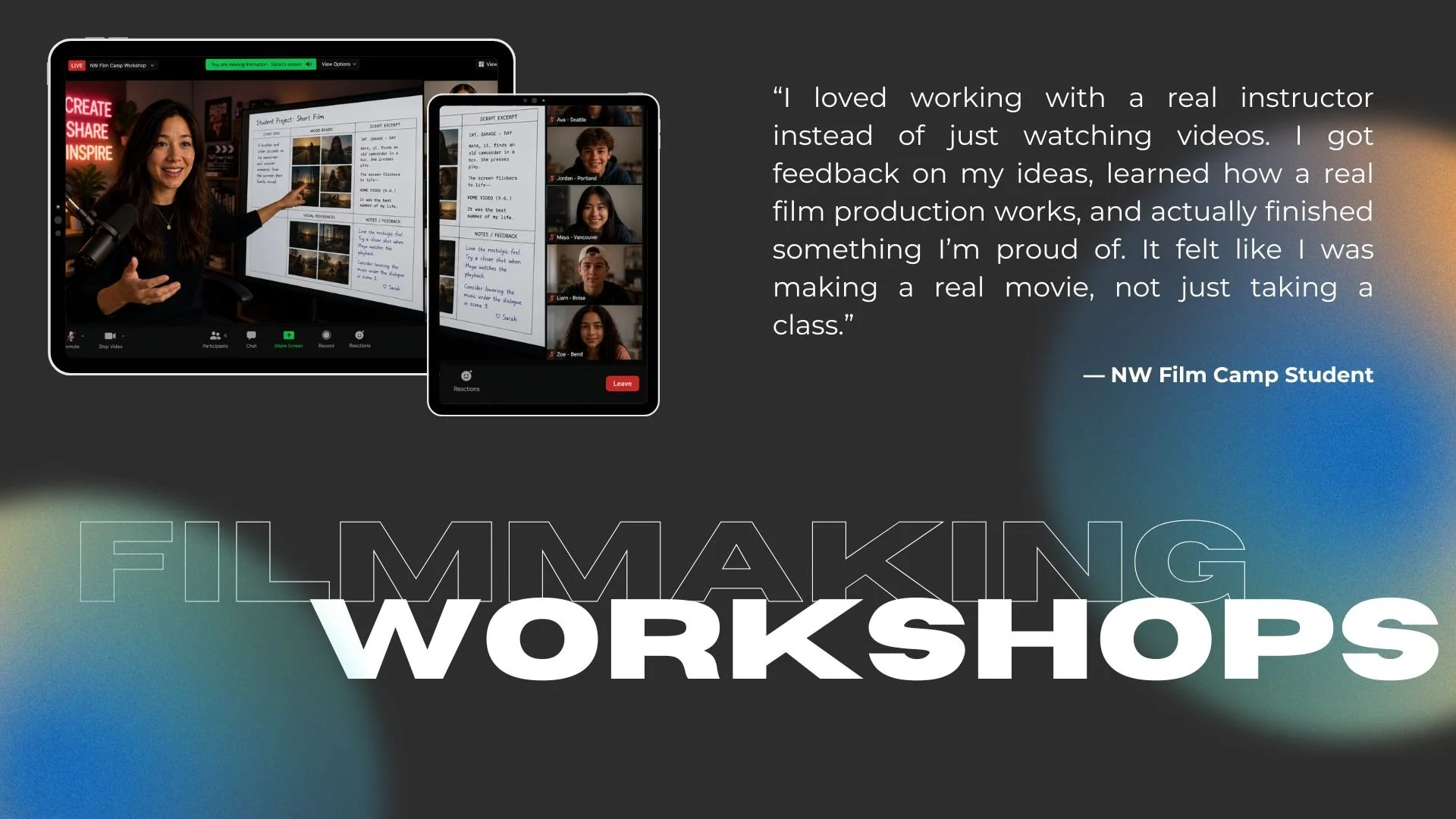
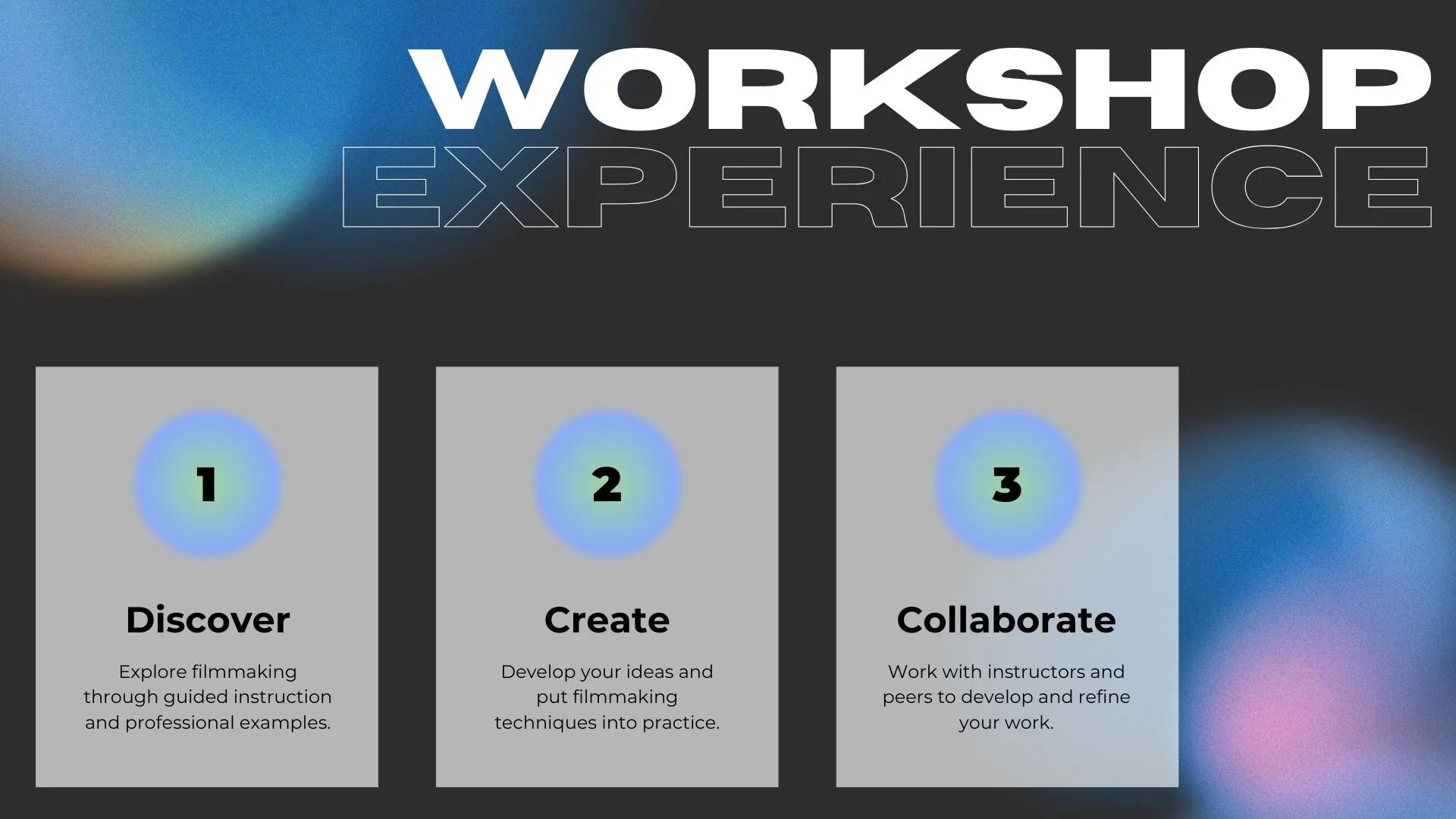
Our online workshops give young aspiring filmmakers the opportunity to explore the production process with the guidance of professional filmmakers. Over the course of 6 weeks (Wednesdays, 4pm-6pm Pacific time), students dive into project based learning that brings their creativity to life.
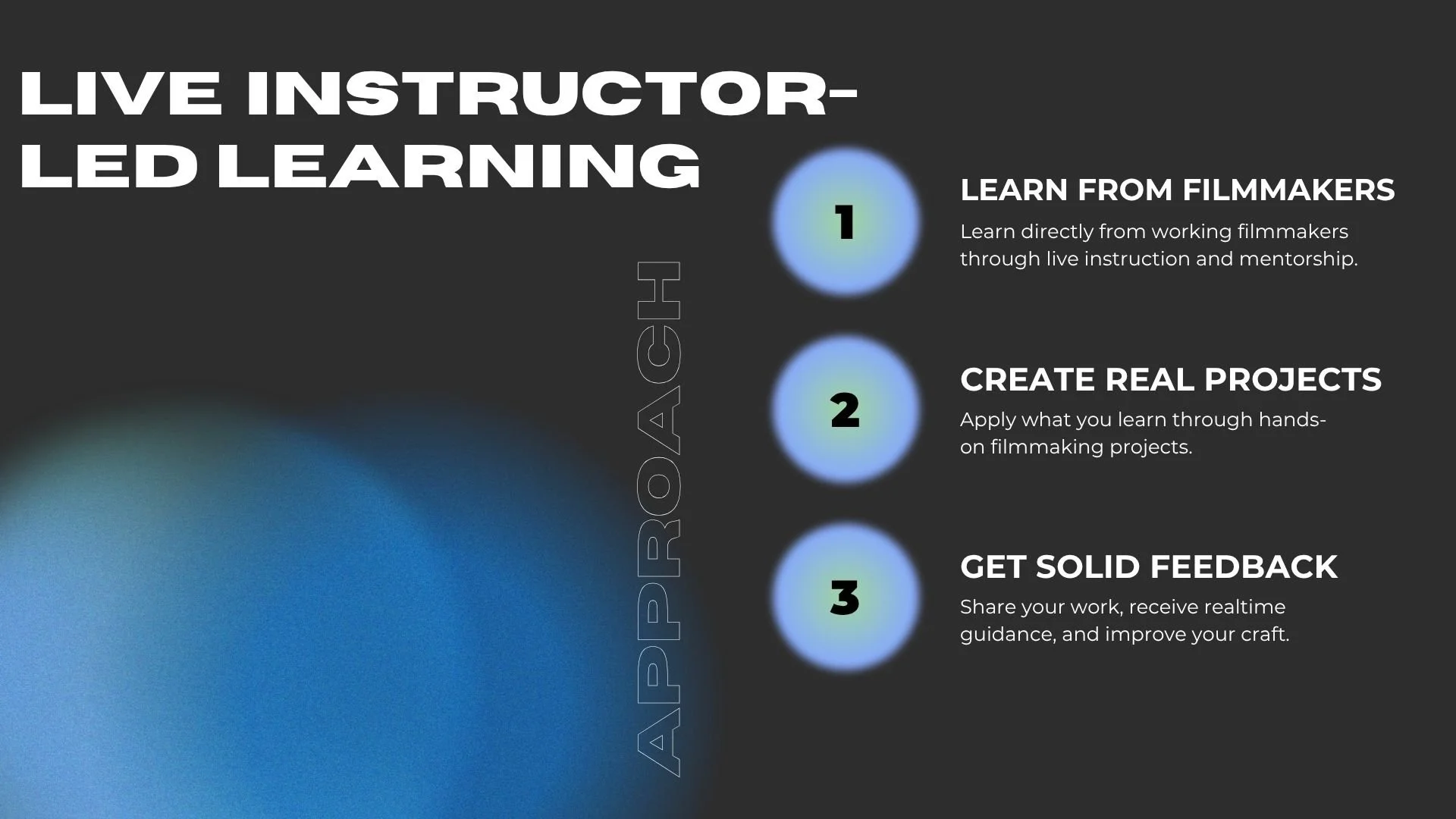
Hands-on assignments that turn creative ideas into finished work
Creative projects designed to build real filmmaking skills
Learn by creating, experimenting, and fine tuning your craft
If your teen loves film, YouTube, storytelling, or creating videos, it might be time to help them discover the magic of Film Production where stories truly come to life. No experience needed, just creativity and curiosity.
-
Our workshops are designed to feel like a creative studio, not a traditional online class. Students are given the space to explore ideas, make creative decisions, and take increasing ownership of their work.
A Place to Explore
Students are encouraged to experiment, ask questions, try new approaches, and discover what kinds of stories and filmmaking roles interest them.A Creative Community
Students work alongside other emerging filmmakers with different interests, ideas, and experiences. The cohort becomes a space where students can learn from one another as well as from the instructor.Room to Find Your Voice
There is no single “right” way to tell a story. Students are encouraged to develop their own perspective and make creative choices that reflect their ideas and interests.Real Creative Responsibility
As students progress, they take more ownership of their projects. They learn to organize their ideas, make decisions, respond to challenges, and communicate what they want to accomplish.Confidence Through Practice
Students build confidence by actually doing the work: presenting ideas, receiving feedback, revising their thinking, and seeing their ideas become increasingly developed.A Foundation for What's Next
Every workshop is designed to give students skills, experience, and creative materials they can carry into their next film, school project, portfolio, or filmmaking opportunity. -
Who are these workshops for?
Our workshops are designed for teens and young adults ages 13–18 and 18–23 who are interested in filmmaking, storytelling, and creative production. Students do not need prior filmmaking experience. Whether they are just getting started or already making films, each workshop gives them practical skills they can build on.
Do students work together or on their own projects?
Both! Collaboration is an important part of the program because filmmaking is a team effort. Students are encouraged to share ideas, give feedback, and collaborate with other students in their cohort. At the same time, students are welcome to develop their own individual projects if that better fits their goals.
Friends and siblings are especially encouraged to join together, and families receive a 20% discount when friends or siblings enroll together.
What will my student actually do during the workshops?
Students create real production documents and presentations they can use on future filmmaking projects. Depending on the workshop, these may include story concepts, screenplays, visual treatments, production plans, schedules, presentations, and other professional-style materials.
The goal is not simply to learn about filmmaking. Students leave with work they have created and can continue developing.
How does the workshop series fit together?
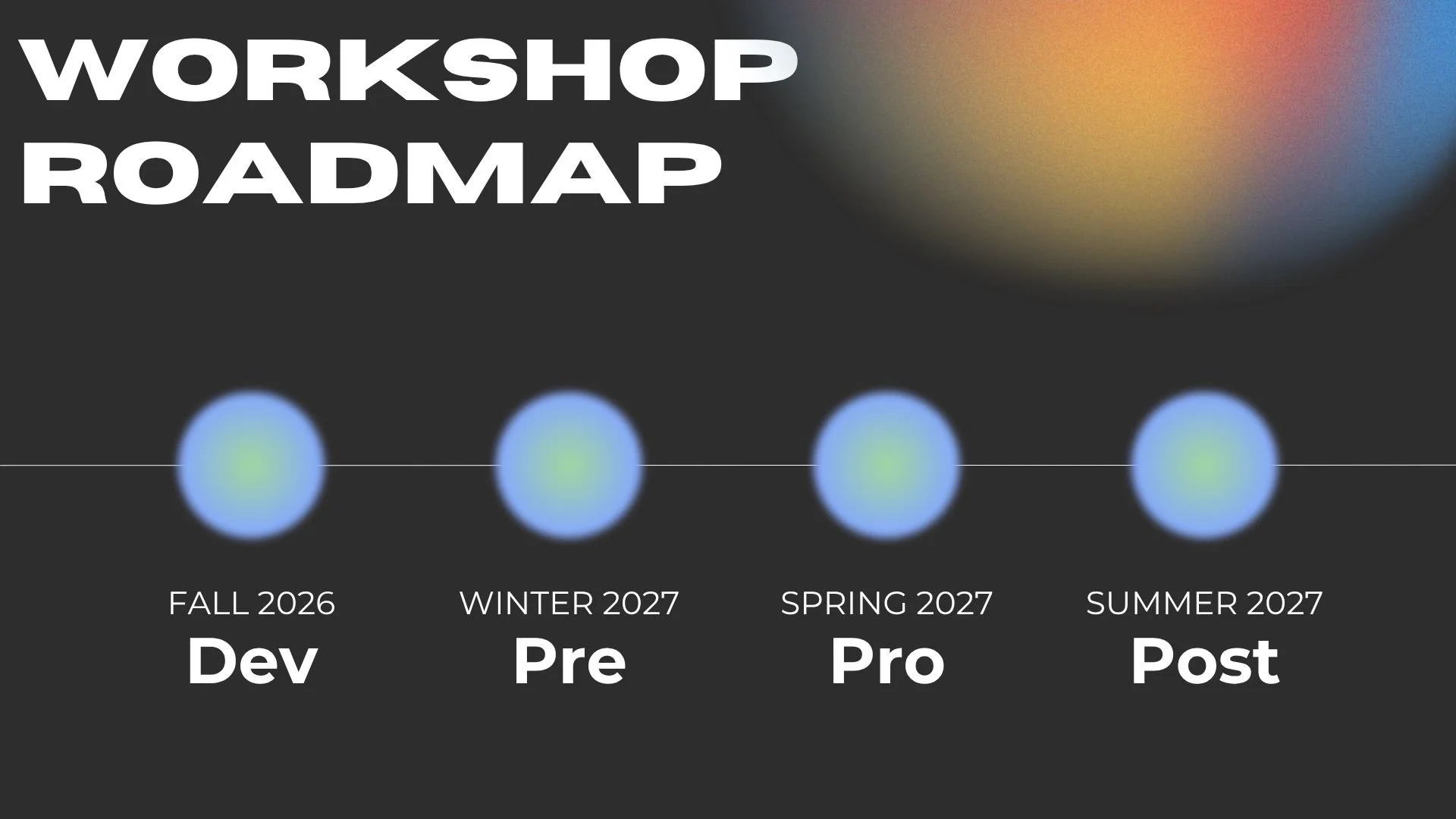
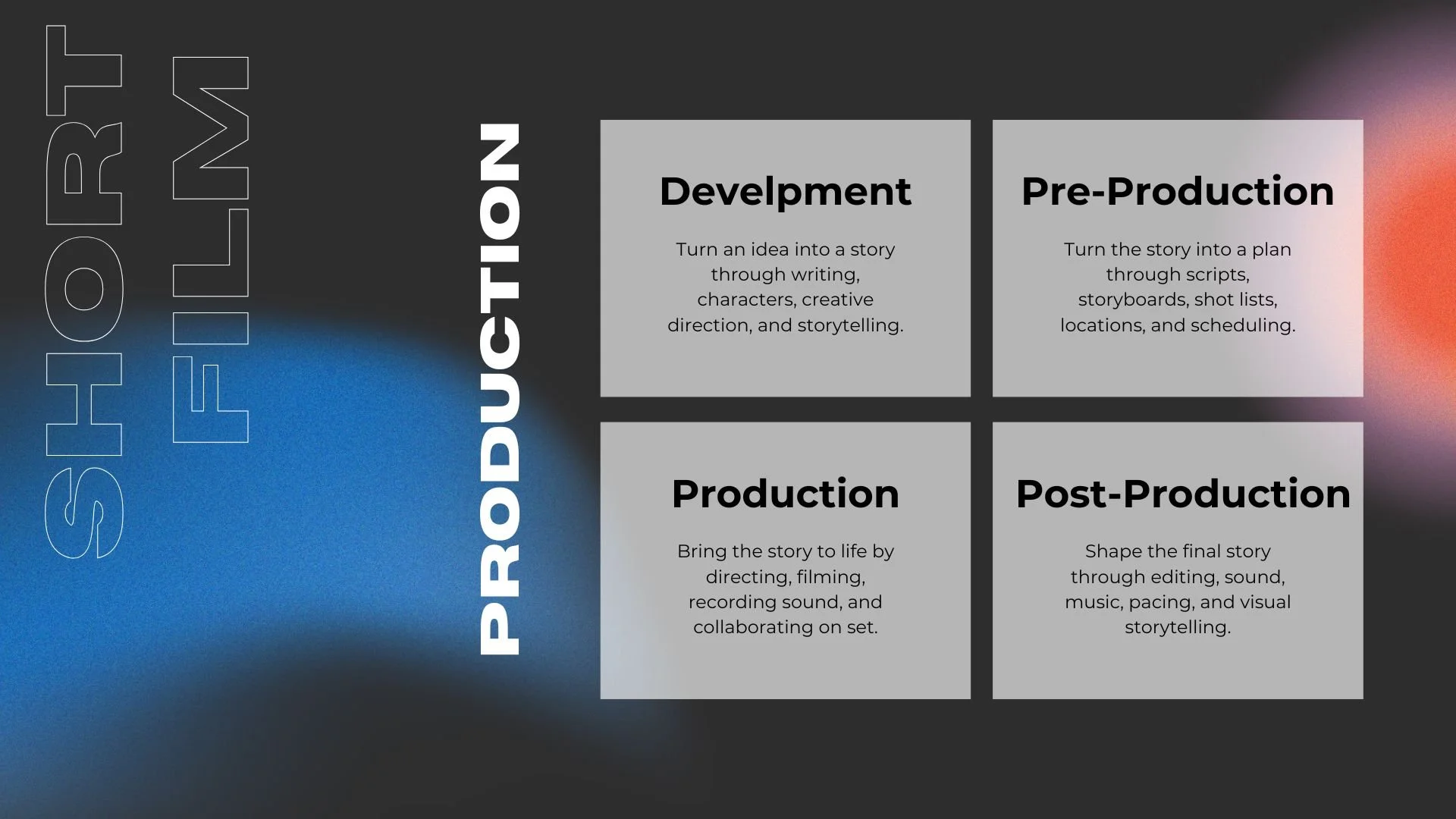
The workshops follow the same basic workflow used in professional film production:
Development → Pre-Production → Production → Post-Production
Students can learn how an idea moves from the first concept through planning, production, editing, and final delivery.
Does my student have to start with the first workshop?
No. Students can join at any point during the year.
Each workshop focuses on a specific stage or skill within the filmmaking process, so students can jump in when a workshop interests them. We provide additional guidance when needed so students can understand how their current workshop connects to the larger filmmaking process.
What if my student has never made a film before?
That's completely okay. No previous filmmaking experience is required.
Instructors guide students through each project step by step. Students who are more experienced can take their projects further, while beginners can focus on learning the fundamentals and building confidence.
Are the classes recorded so students can watch them later?
No. Live sessions are not recorded or available to watch later.
Students are expected to attend every scheduled session because the workshops are built around live instruction, discussion, collaboration, and instructor feedback.
If a student occasionally needs to miss a session, we will work with them through one-on-one instructor support to help them catch up.
What kind of support do students receive outside of class?
Instructor support is available throughout the workshop. Students can ask questions, get feedback on their work, and receive guidance as they develop their projects.
We want students to know that they are not on their own between sessions.
How much work should students expect outside of class?
Students should expect some project work between sessions. Assignments are designed to move their projects forward rather than simply add homework.
Most importantly, students are building production documents, presentations, and creative materials that can become part of their future filmmaking portfolio and projects.
What will my student get out of the program?
Students gain more than filmmaking knowledge. They learn how to take an idea and turn it into an organized creative project.
They practice storytelling, planning, collaboration, communication, presentation, and creative problem-solving while building professional-style production materials they can use on future projects.
The goal is to help young filmmakers become more confident creators who understand how a film actually gets made from idea to finished project.
-
What to Bring
Computer: A laptop or desktop computer students can use during class and for assignments.
Internet Access: A reliable internet connection for live online sessions.
Headphones: Recommended, especially when working with sound or joining discussions.
Notebook: For ideas, notes, sketches, and production planning.
Creative Ideas: Students can come with a film idea, story, character, or project they want to develop. No idea yet? That's okay.
Willingness to Collaborate: Students should be ready to share ideas, give feedback, and work creatively with their cohort.
Completed Assignments: Students should have their previous workshop work available when continuing a project.
No professional camera or filmmaking equipment is required. The program is designed so students can develop their ideas and production materials using the tools they already have.
-
Our workshops are built around a simple idea: young filmmakers learn best by creating, sharing, and inspiring one another.
CREATE
Students develop their own ideas and turn them into creative projects. Along the way, they practice problem-solving, decision-making, planning, and finding their own creative voice.SHARE
Filmmaking is collaborative. Students share ideas, present their work, exchange feedback, and learn how to communicate their creative vision while listening to the perspectives of others.INSPIRE
Working alongside other young filmmakers exposes students to new ideas, creative approaches, and different ways of telling stories. Students build confidence while learning to support and inspire the people around them.Create your ideas. Share your vision. Inspire others.
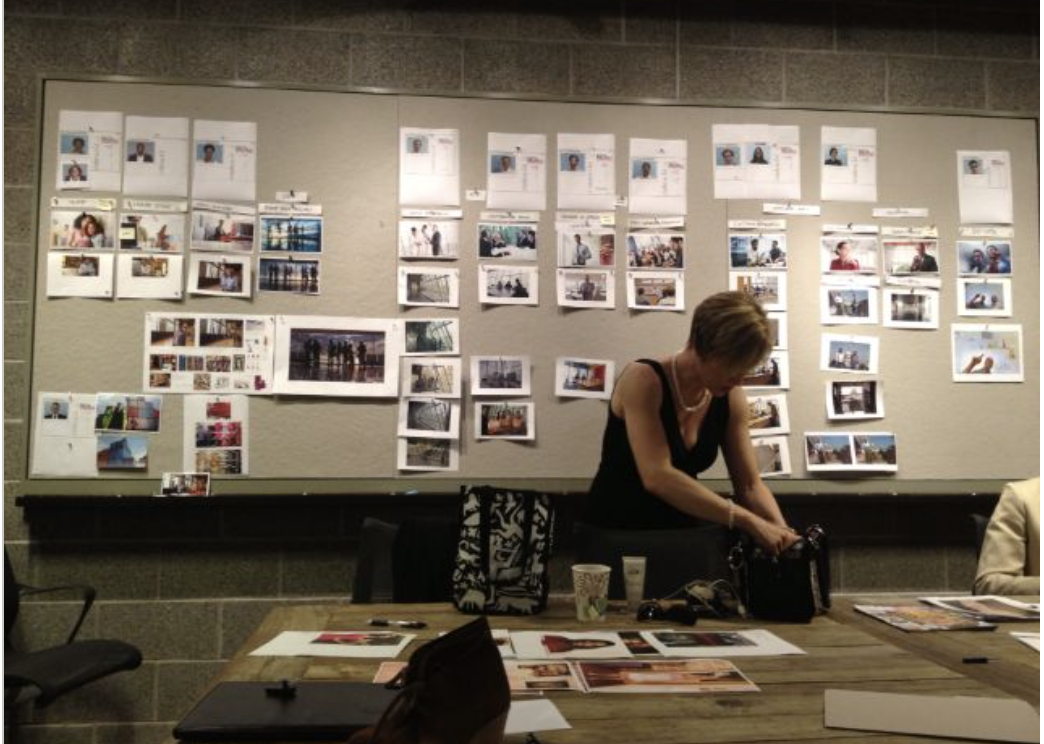
First Step to Starting A Short Film
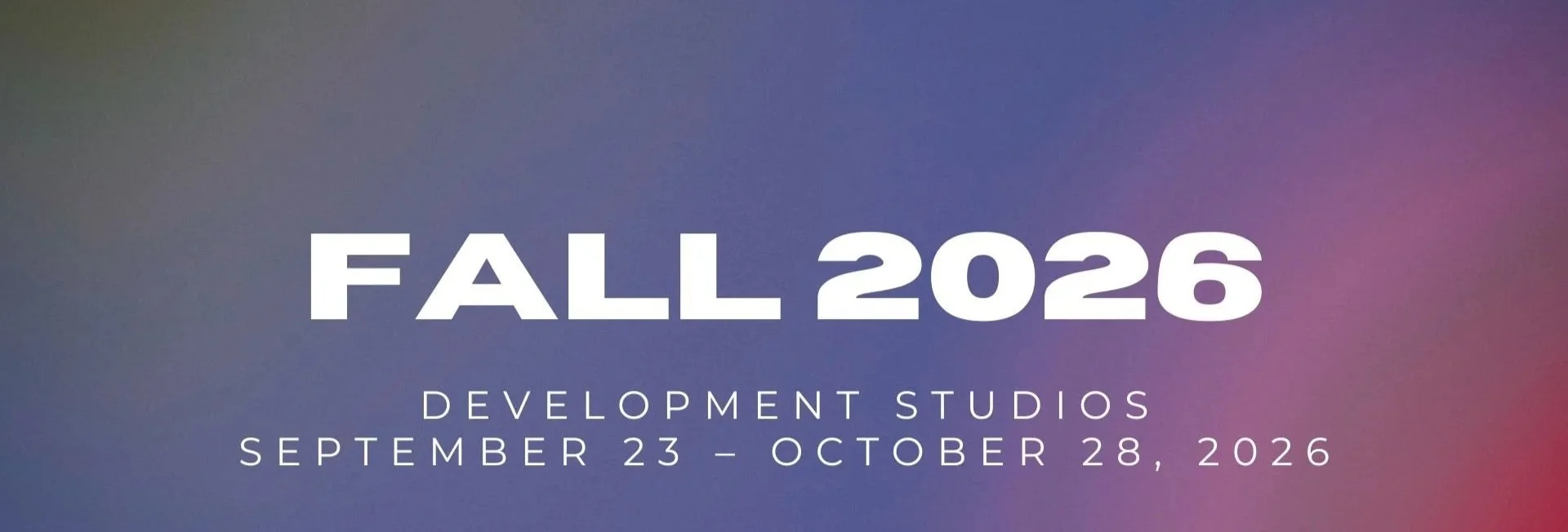
6 weeks: Wednesdays, September 23 – October 28, 2026
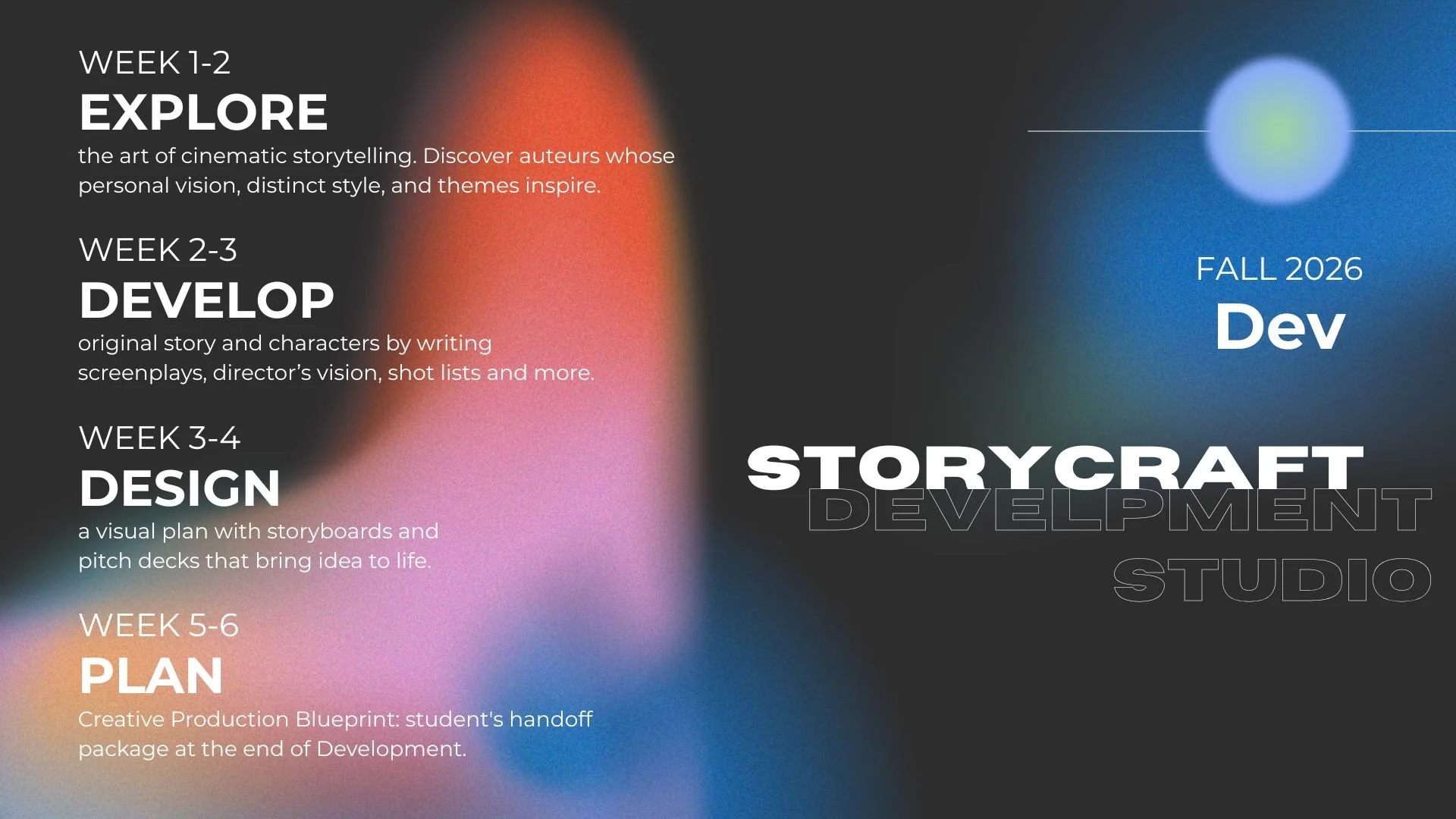
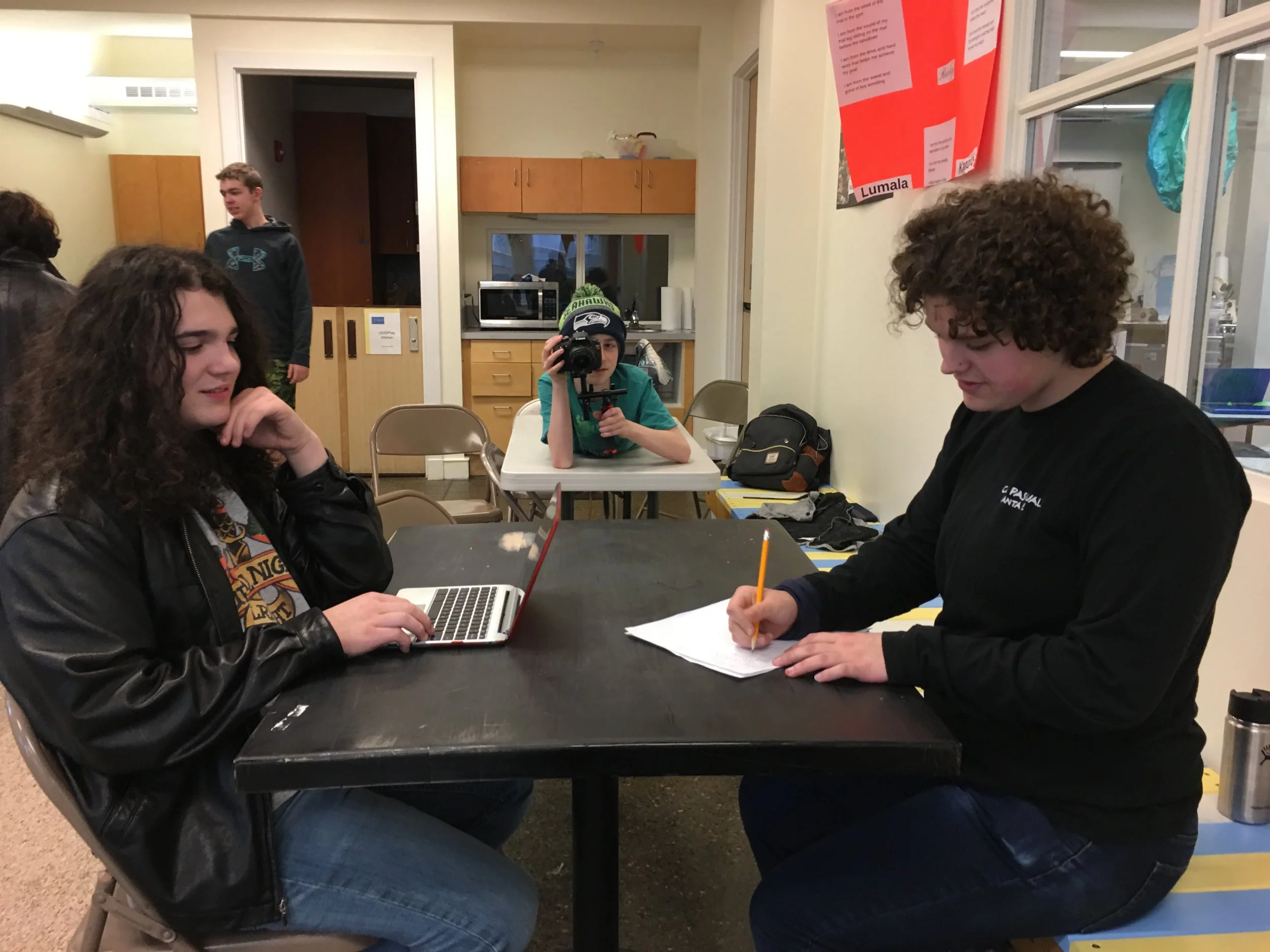
STORYCRAFT: Short Film Development Studio Explore the art of cinematic storytelling through the distinctive voices of filmmakers like Greta Gerwig (Lady Bird), Bong Joon Ho (Parasite), Wes Anderson (The Grand Budapest Hotel), and Ava DuVernay (Selma). Young filmmakers examine how great directors develop characters, build worlds, shape visual style, and turn ideas into compelling stories. Students create their own original short-film concept while learning the fundamentals of screenwriting, character development, visual storytelling, storyboarding, and creative planning. STORYcraft is where young filmmakers discover their voice, develop their story, and begin turning an idea into a film.
Suspense & Thriller
6 weeks: Wednesdays, September 23 – October 28, 2026
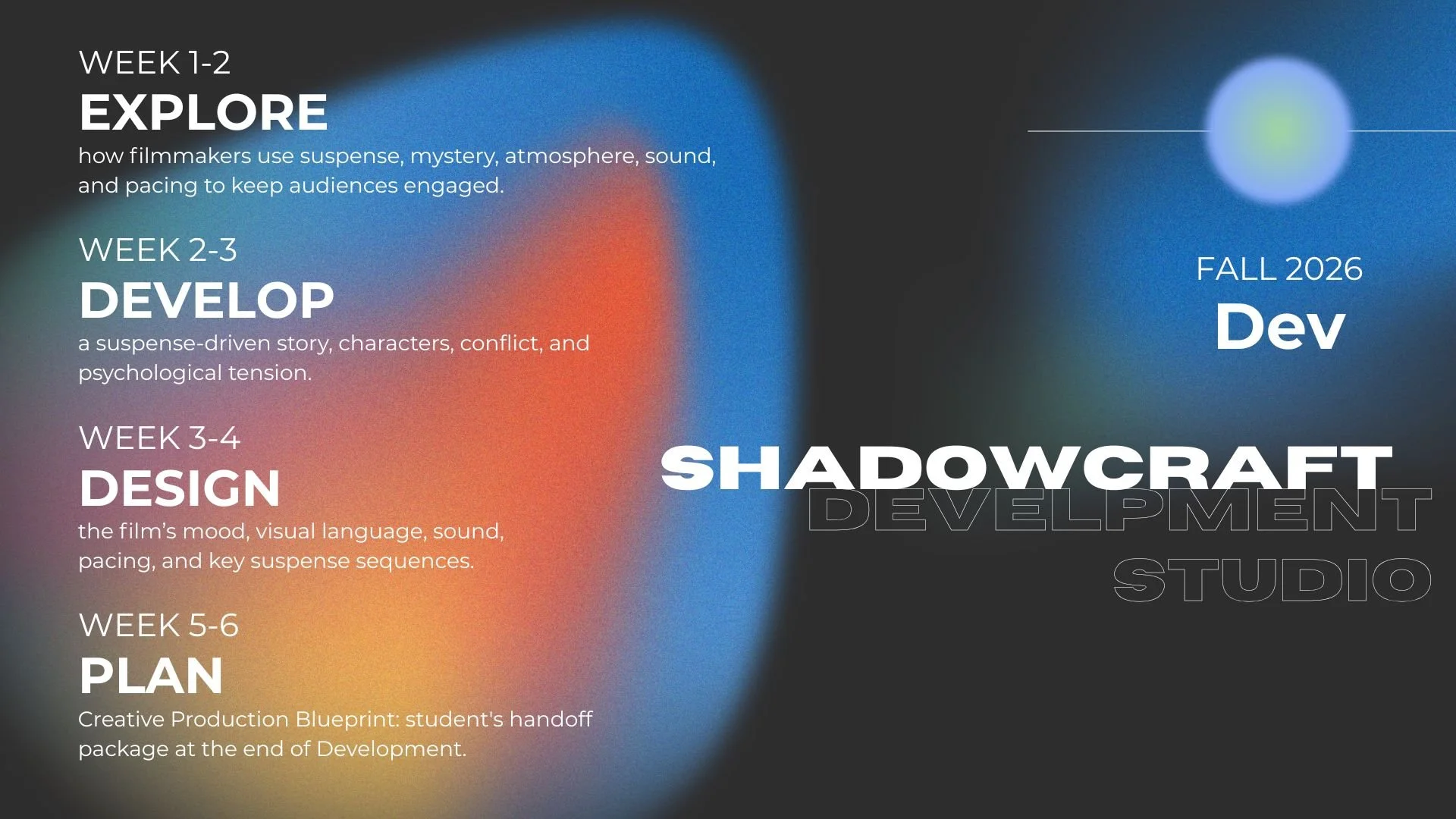
SHADOWcraft: Suspense & Thriller Lab: Explore the cinematic art of suspense, mystery, and psychological storytelling through contemporary filmmakers like Curry Barker (Obsession), Jordan Peele (Get Out), and Ari Aster (Hereditary). Students examine how pacing, atmosphere, character, cinematography, editing, and sound create tension and keep audiences engaged. They’ll develop their own suspense-driven short film while learning to write, storyboard, direct, and edit with an emphasis on mood, visual storytelling, and psychological depth. From mysteries and thrillers to supernatural and unsettling character-driven stories, SHADOWcraft challenges young filmmakers to discover what creates tension, and turn it into cinematic storytelling.
Camera Dept.
6 weeks: Wednesdays, January 13 - February 17, 2027
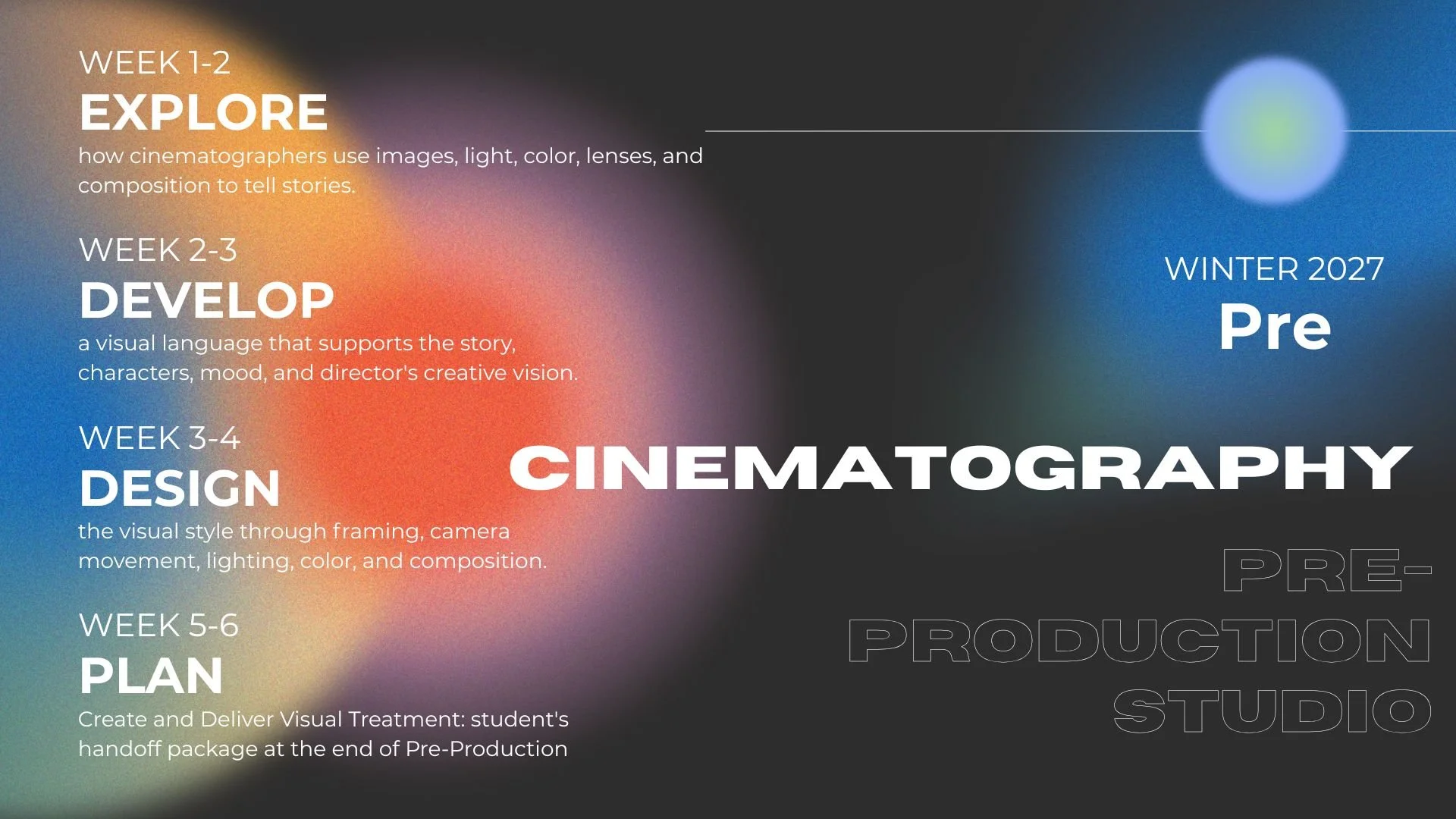
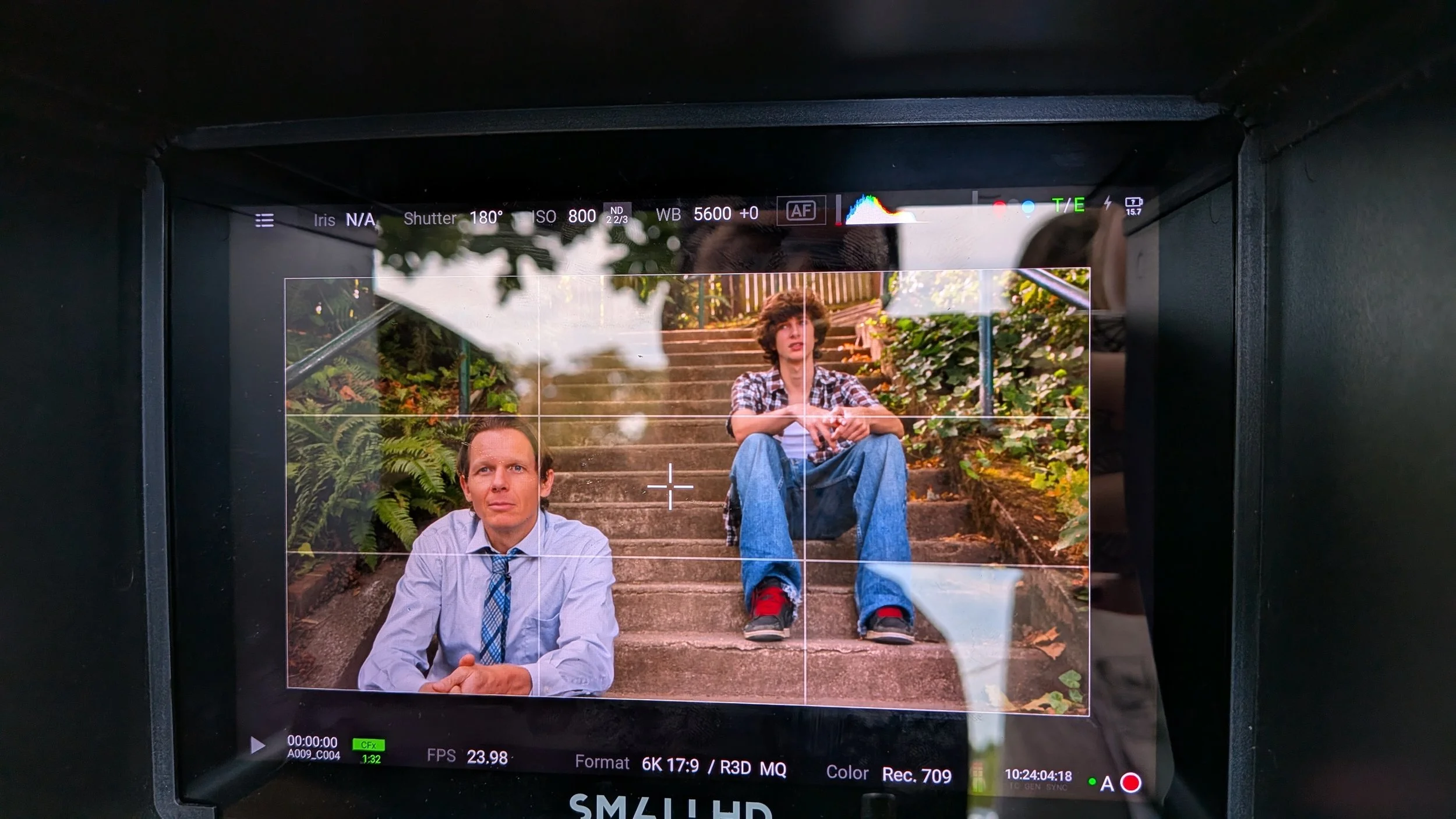
Cinematography & Visual Storytelling: Explore the visual language of filmmaking through the distinctive work of cinematographers and directors like Roger Deakins (Blade Runner 2049), Kathryn Bigelow (The Hurt Locker), and Denis Villeneuve (Dune). Young filmmakers examine how framing, composition, camera movement, lenses, lighting, color, and visual rhythm shape the way audiences experience a story. Students experiment with cinematic techniques and learn how to translate a script and storyboard into intentional images. This workshop challenges young filmmakers to stop simply recording a story, and learn how to see it.
DIRECTING Short Films
6 weeks: Wednesdays, January 13 - February 17, 2027
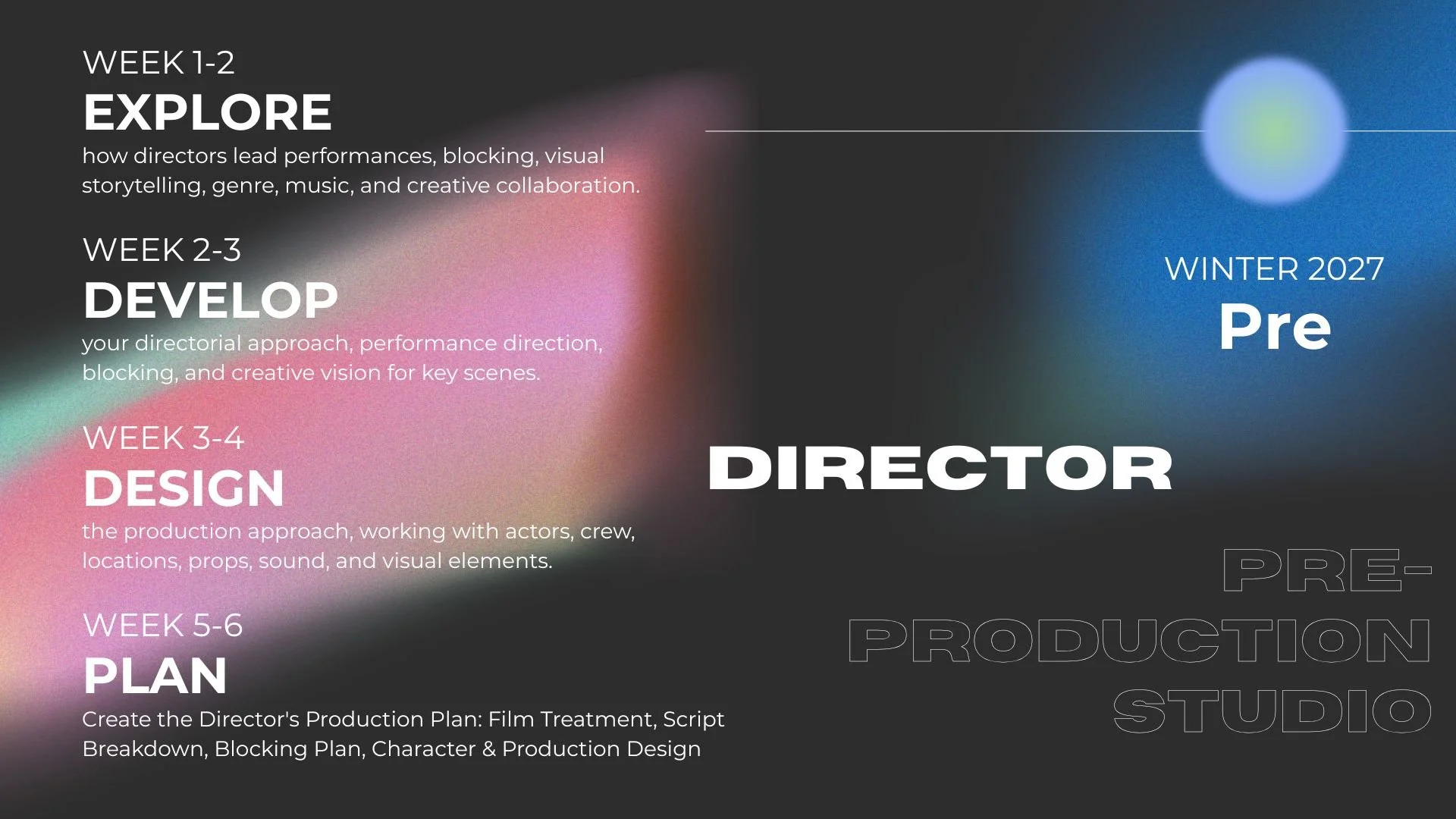
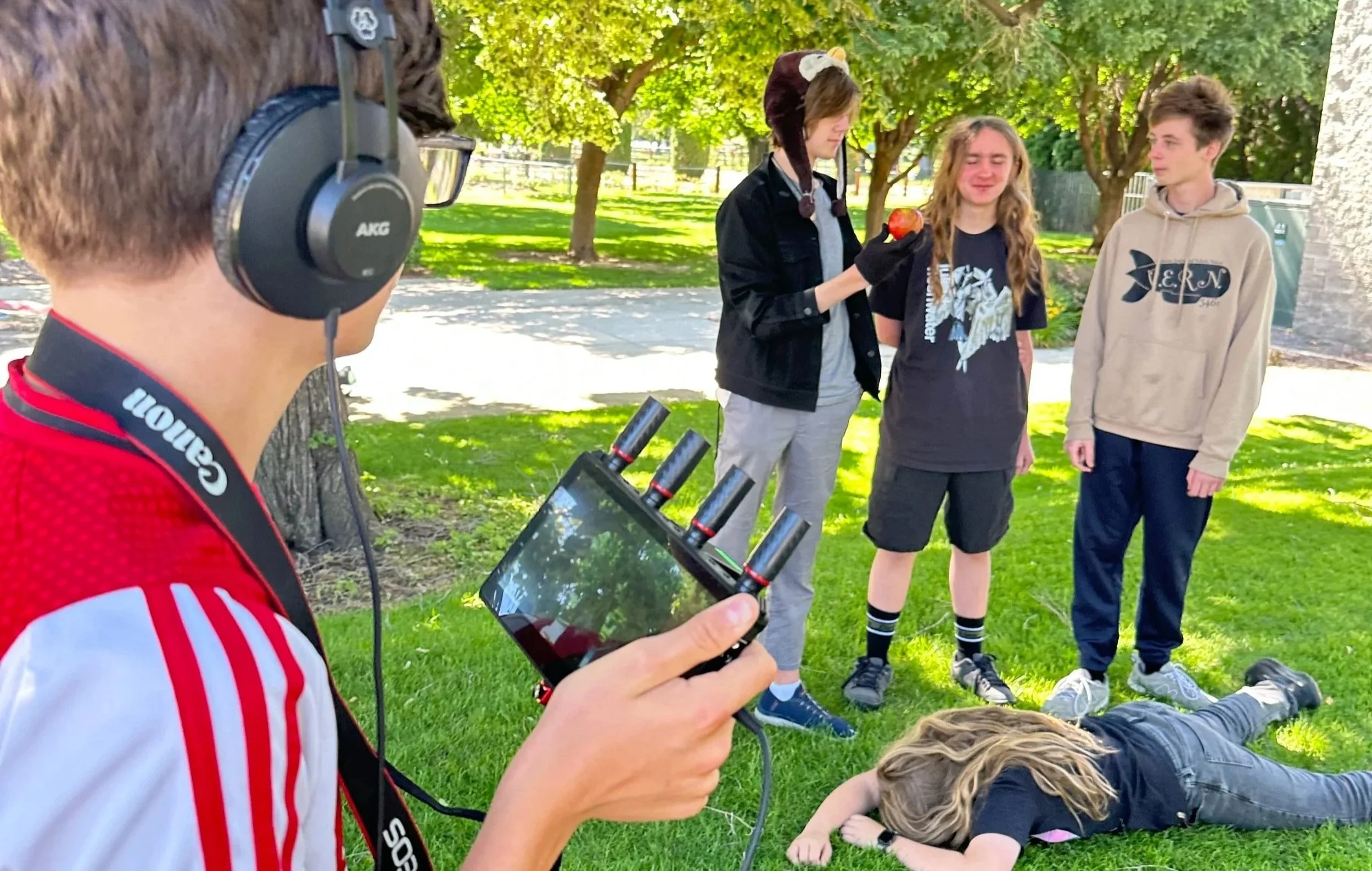
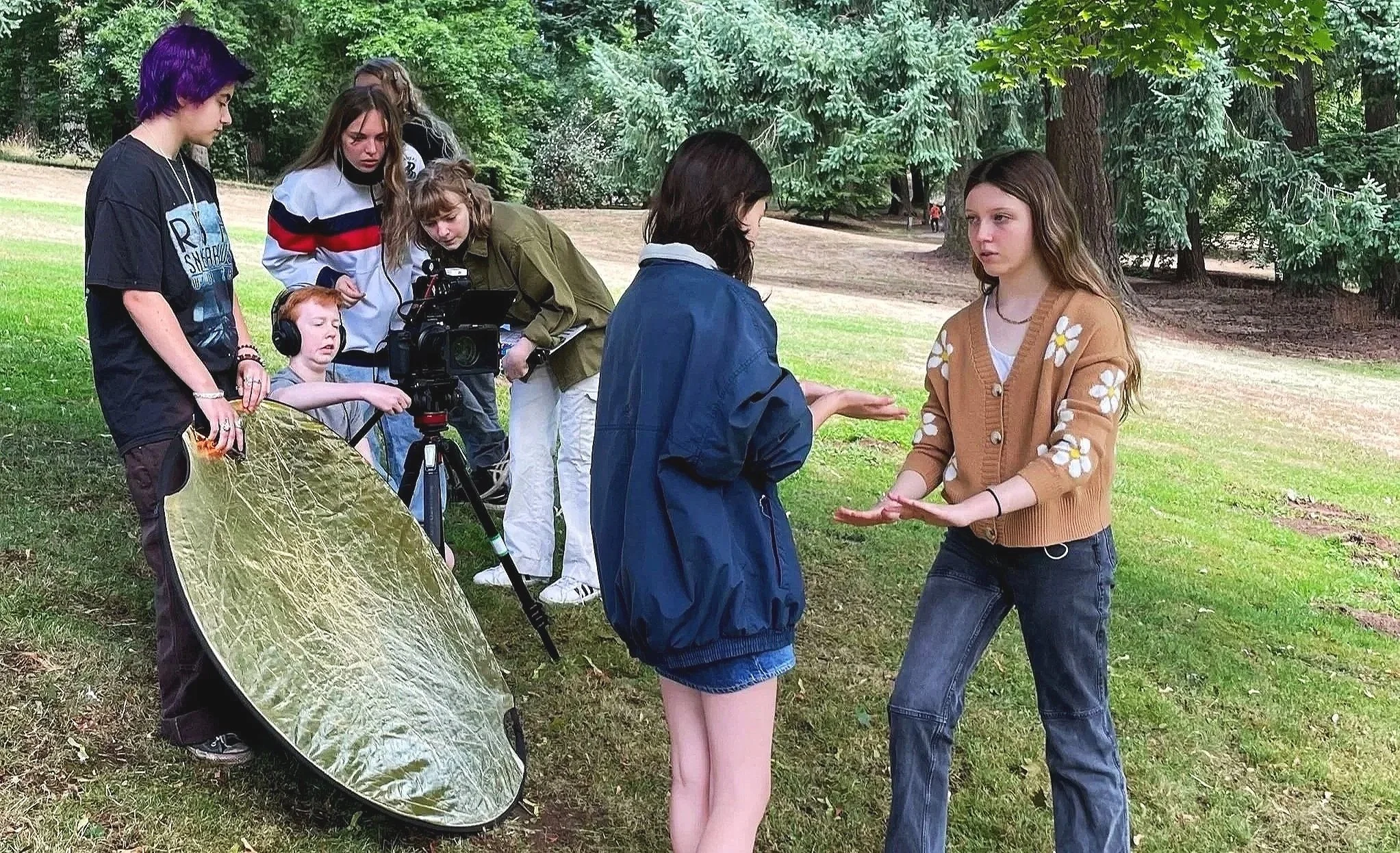
DIRECTOR: Short Film Pre-Production Studio: Explore the art of directing through a producer’s lens. Study the distinctive approaches of Daniel Kwan & Daniel Scheinert (Everything Everywhere All at Once), Olivia Wilde (Booksmart), and Ryan Coogler (Black Panther). Students examine visual symbolism, ensemble blocking, performance, genre, music, and creative production design. They’ll learn how directors turn personal ideas into cinematic experiences while developing their own directorial voice. Students will work with actors, block scenes, communicate with crew, plan a shoot, and make creative decisions within real production constraints. Learn to lead the creative vision, and develop the producer’s eye to understand what it takes to make that vision happen.
PRODUCING Short Films
6 weeks: Wednesdays, January 13 - February 17, 2027
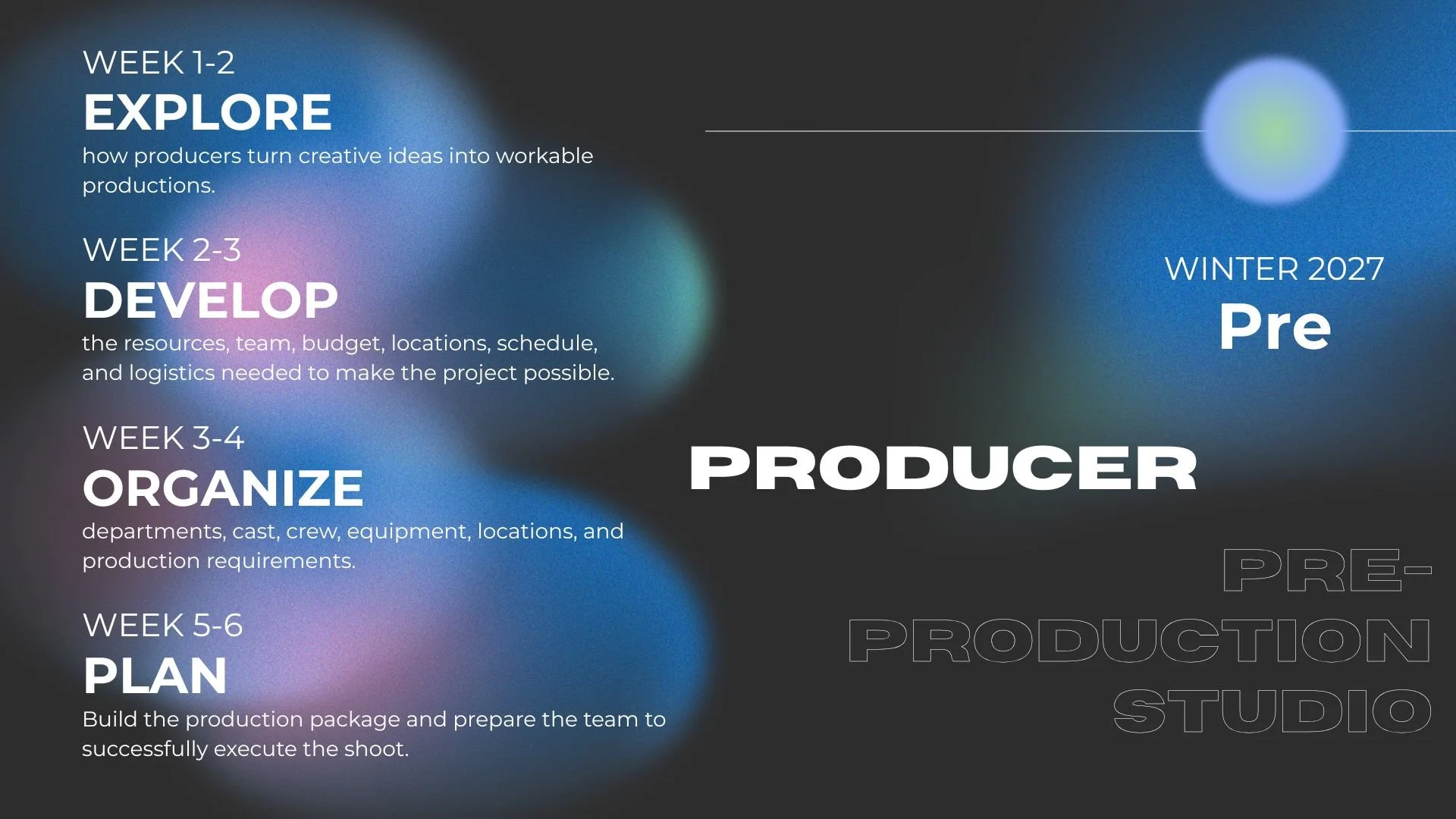
PRODUCER: Short Film Pre-Production Explore producing through the distinctive approaches of Kathleen Kennedy (Jurassic Park, Star Wars), Kevin Feige (Black Panther, Avengers: Endgame), and Emma Thomas (Oppenheimer, The Dark Knight). Students learn how producers turn creative visions into achievable productions by managing budgets, schedules, teams, locations, equipment, and logistics. Working from a film project, students coordinate departments, anticipate challenges, and build the systems needed to move a production from creative development to the set. Learn to build the plan, organize the team, and execute the creative vision.
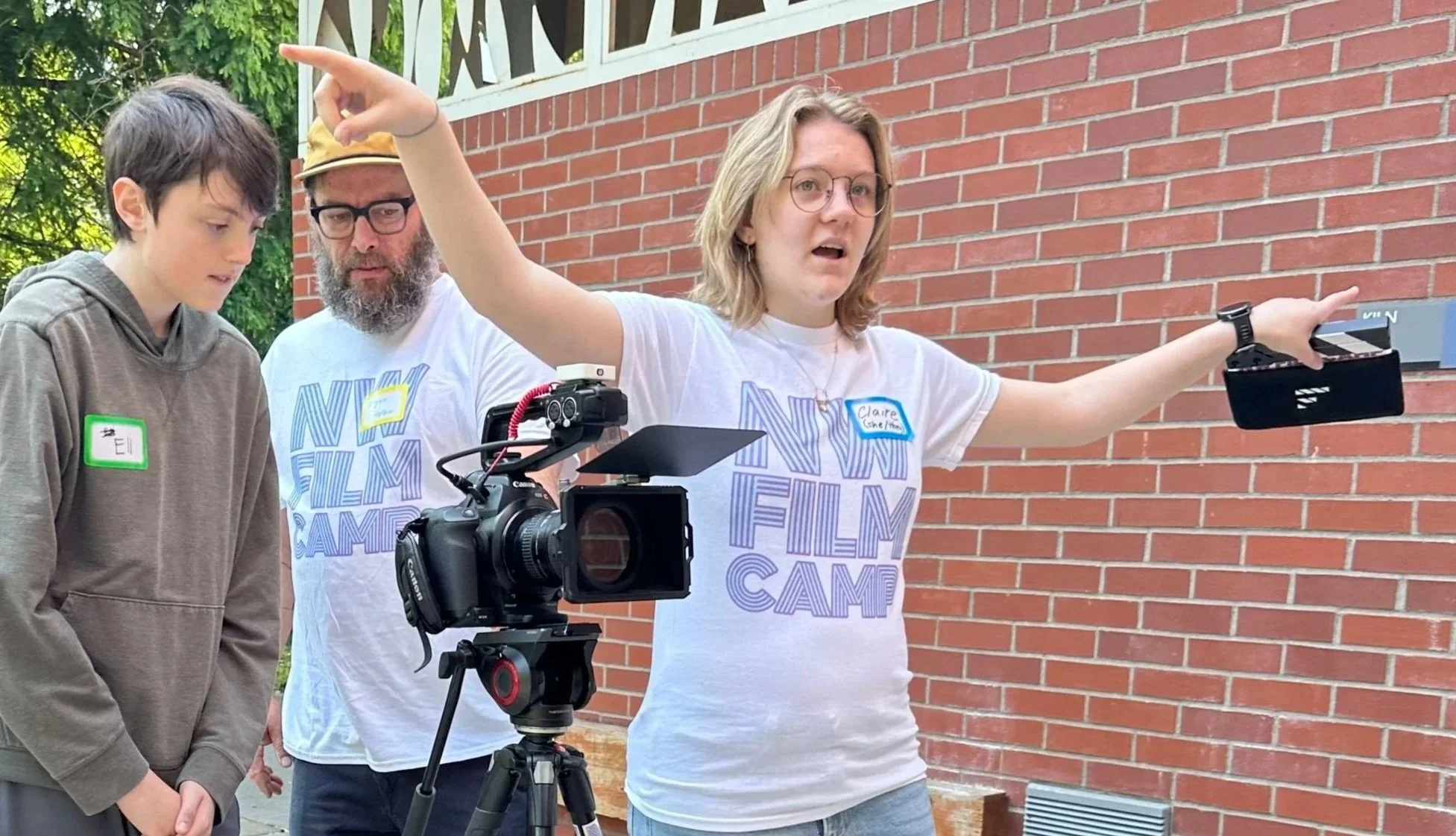
ON SET: Short Film Production
6 weeks: Wednesdays, April 21 - May 26, 2027
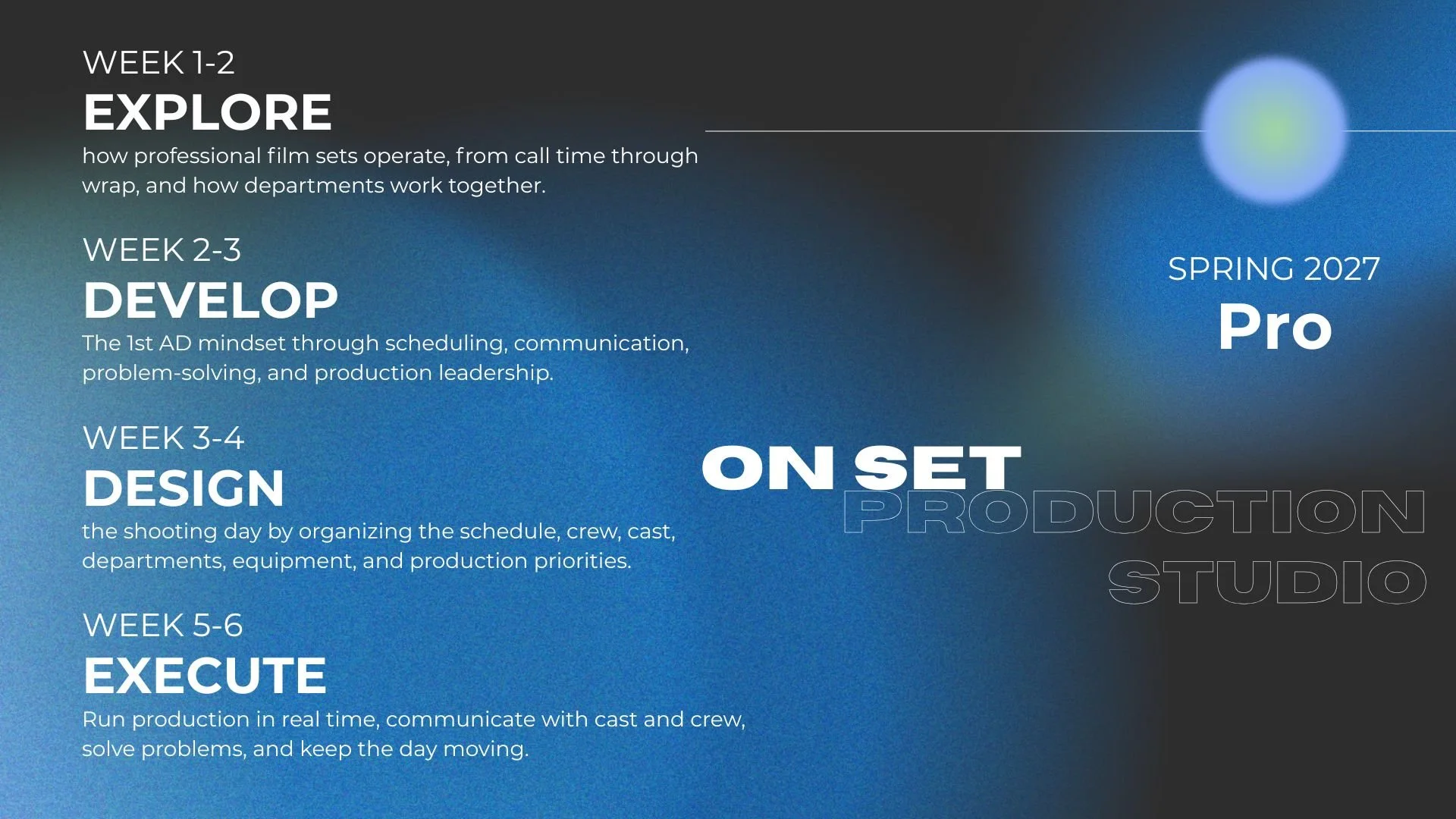
ON SET: Short Film Production Step onto set on day one with a plan. In this workshop you will learn what it takes to make a professional production run. Inspired by filmmakers like Christopher Nolan (The Odyssey), Denis Villeneuve (Dune), and Destin Daniel Cretton (Spider-Man 4), students develop the 1st AD mindset: breaking down the shooting day, managing schedules, coordinating departments, calling the set, communicating with cast and crew, and solving problems under pressure. Students put their filmmaking skills into practice while learning how a professional set functions from call time to wrap.
Learn to lead the day, support the creative vision, and keep production moving.
FINAL CUT: Post-Production Studio
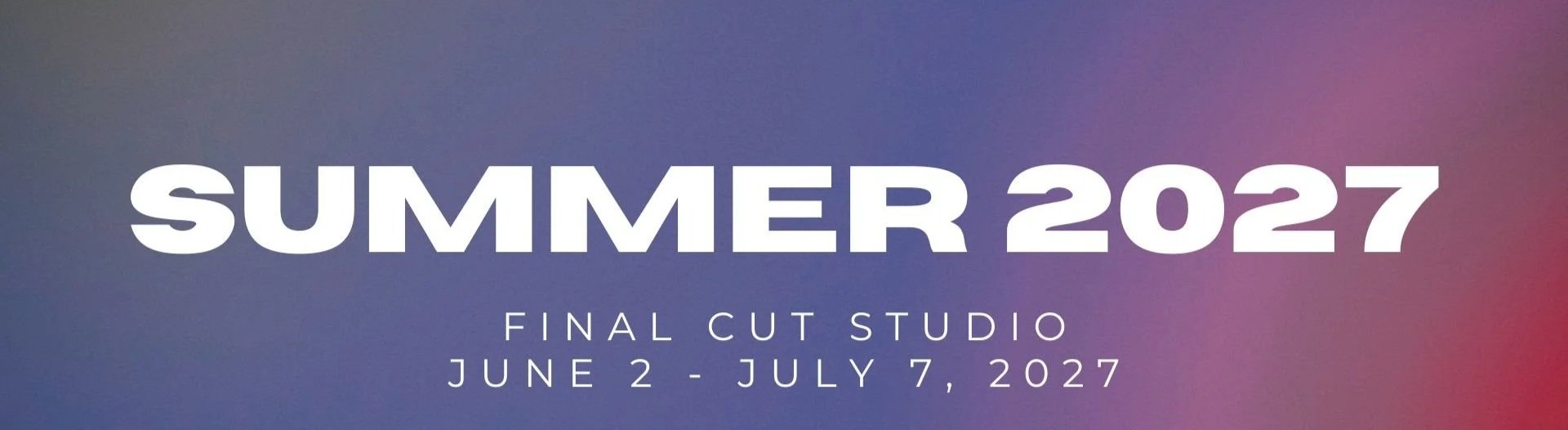
6 weeks: Wednesdays, June 2 - July 7, 2027
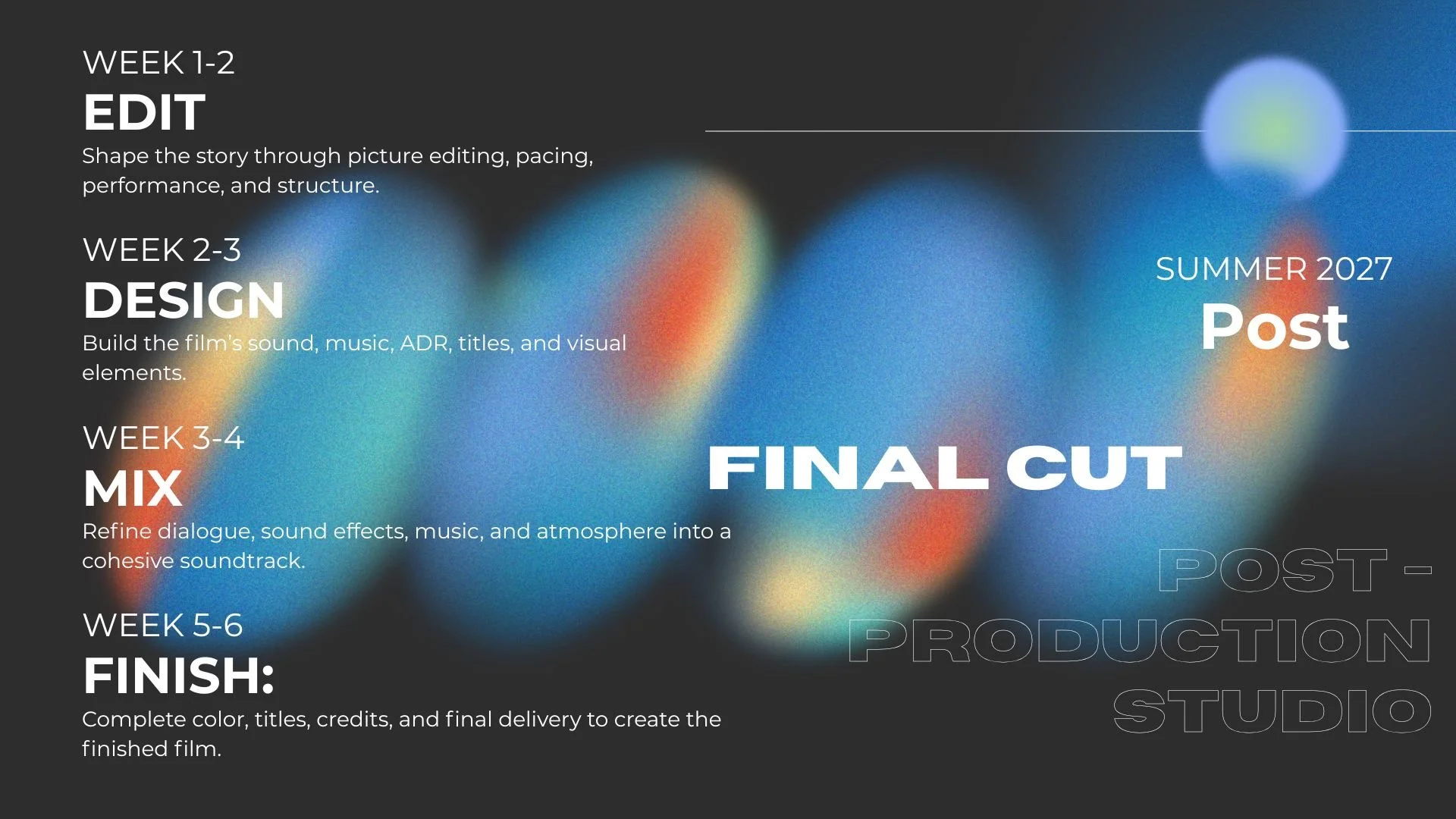
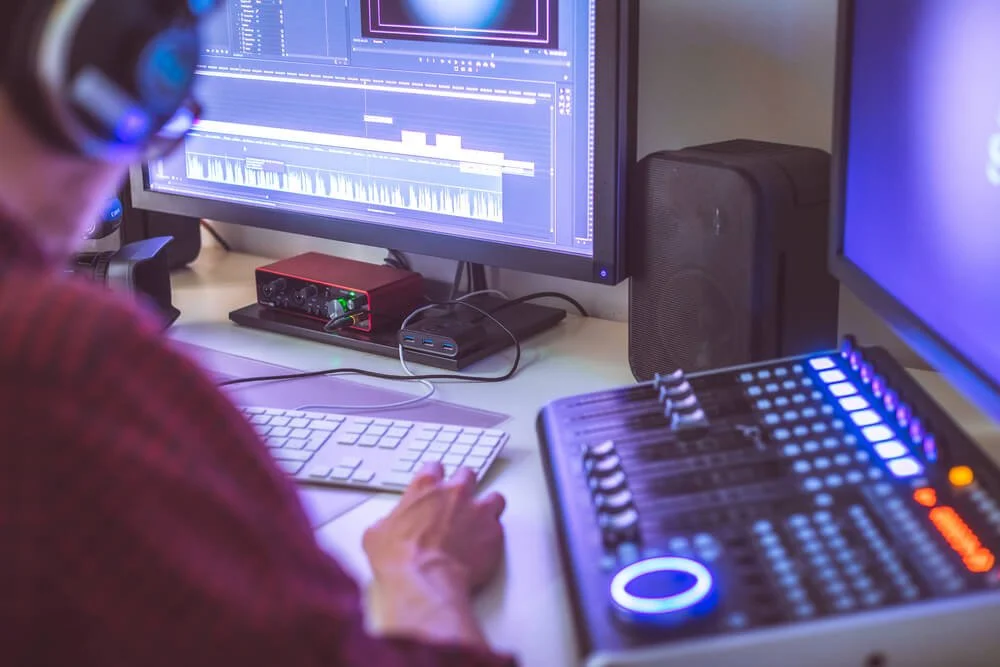
FINAL CUT: Post-Production Studio Explore the art of shaping raw footage into a finished film through the distinctive approaches of filmmakers and editors like Thelma Schoonmaker (Goodfellas, The Departed), Walter Murch (Apocalypse Now, The Godfather Part II), and Joe Walker (Dune, Arrival). Students examine how editing, sound, music, color, pacing, and performance shape the final story. They’ll learn to build scenes, refine narrative rhythm, design sound, record ADR, work with music, and develop a cohesive visual style through color.
Students take their production footage through the post-production process, making creative decisions that transform individual shots into a complete cinematic experience.
Learn to shape the story, design the experience, and finish the film.